
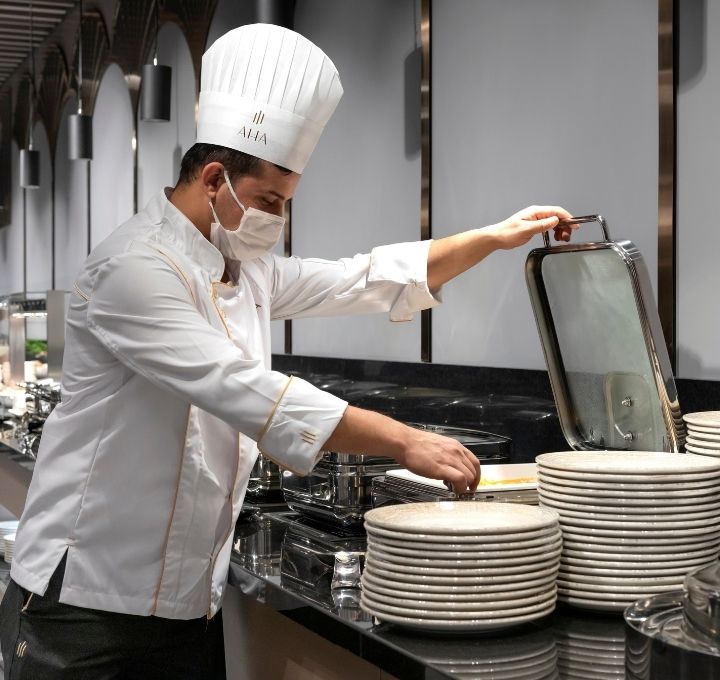
What Are the Hygiene Standards in Industrial Kitchens?
In large-scale food production environments, hygiene extends far beyond routine cleaning practices. It encompasses a comprehensive framework of food safety, workforce wellbeing, regulatory compliance, and operational sustainability.
For organisations operating high-volume production facilities, maintaining rigorous hygiene standards is essential to delivering safe, high-quality meals while meeting both industry regulations and legal obligations.
Within this context, industrial hygiene refers to the systematic identification, assessment, and control of physical, chemical, and biological hazards that may impact food safety or employee health. From production areas and storage facilities to transportation and service operations, adherence to strict hygiene protocols is a fundamental component of effective foodservice management. A strong commitment to hygiene not only protects consumers and employees but also supports operational excellence and reinforces confidence in the quality of the service provided.
Food Safety Standards and Regulatory Compliance
Operations within industrial kitchens are governed by strict food safety regulations and internationally recognised industry standards. Every stage of the food production process–from ingredient sourcing and receiving to preparation, storage, transportation, and service–must be managed through documented procedures designed to ensure traceability, consistency, and regulatory compliance.
Robust food safety and sanitation practices play a critical role in maintaining product integrity and minimising the risk of cross-contamination. Through routine inspections, continuous monitoring, and comprehensive quality assurance programmes, foodservice operators are able to maintain compliance while safeguarding the health and wellbeing of consumers.
For large-scale catering and food production facilities, many operational requirements are defined by applicable food safety legislation and industry regulations. These standards establish clear guidelines covering facility design, equipment management, employee training, cleaning and sanitation procedures, and waste management practices. In addition, internal hygiene protocols and food safety management systems help ensure that operational processes are implemented consistently across all areas of the business, supporting both compliance and operational excellence.
What Is HACCP and How Is It Implemented?
One of the most widely adopted food safety management frameworks in the foodservice industry is HACCP (Hazard Analysis and Critical Control Points). Designed to proactively identify and control potential food safety risks, HACCP provides a structured approach to preventing hazards before they affect product quality or consumer safety. By analysing every stage of the production process, the system helps identify potential sources of contamination, establish critical control points, and implement monitoring procedures to ensure compliance.
A key component of the HACCP methodology is the systematic assessment of biological, chemical, and physical hazards that may arise throughout food production and handling operations. Through comprehensive risk assessments, foodservice operators can identify vulnerabilities, implement corrective actions, and strengthen preventive controls across the production environment. Supported by continuous monitoring and regular review processes, HACCP promotes a culture of continuous improvement and serves as a cornerstone of effective food safety management in industrial kitchens and large-scale catering operations.
ISO 22000 Food Safety Management System
ISO 22000 is an internationally recognised food safety management standard designed to ensure the integrity and safety of food throughout the entire supply chain. By combining HACCP principles with broader management system requirements, ISO 22000 provides a structured framework that helps organisations identify risks, strengthen operational controls, and maintain consistent food safety performance across all stages of production and service delivery.
For catering operators and large-scale food production facilities, ISO 22000 supports a proactive approach to food safety management by focusing on:
Risk assessment and preventive controls
Supplier evaluation and supply chain management
Food safety monitoring and verification processes
Employee training and competency development
Documentation, record-keeping, and traceability
Continuous improvement and corrective action procedures
Well-defined hygiene procedures, routine audits, and ongoing staff training play a vital role in the successful implementation of ISO 22000. These practices help ensure that food safety standards are maintained consistently while supporting operational efficiency and regulatory compliance.
A key strength of the ISO 22000 framework is its risk-based approach. Rather than addressing issues only after they occur, the standard encourages organisations to identify potential hazards in advance and implement preventive measures before they impact food safety. Combined with end-to-end traceability, this enables catering providers to respond quickly and effectively to any food safety concern, from supplier sourcing through to final meal service.
Personnel Hygiene Standards in Food Production
Employees play a critical role in maintaining food safety and hygiene standards within any food production environment. Even the most advanced food safety systems rely on the consistent application of good hygiene practices by the workforce. Personal cleanliness, appropriate work attire, proper hand hygiene, and adherence to established food safety procedures are all essential components of safe and responsible food production.
In professional catering operations and industrial kitchens, personnel hygiene requirements are supported by clearly defined operational standards. These typically include:
Wearing designated protective clothing and personal protective equipment (PPE)
Maintaining strict handwashing and sanitisation practices
Restricting the use of jewellery and personal accessories in production areas
Following controlled entry procedures for food preparation zones
Complying with workplace health and safety requirements
Participating in regular food safety and hygiene training programmes
A structured hygiene management programme helps ensure that daily cleaning procedures, employee responsibilities, and sanitation protocols are implemented consistently across the operation. Regular health screenings, ongoing training, and performance monitoring further strengthen food safety compliance and reinforce a culture of accountability.
Effective hand hygiene remains one of the most important preventive measures in food production. Employees should follow approved handwashing procedures before and after handling food, equipment, or production materials. In addition, team members displaying symptoms of illness should be excluded from food handling activities to minimise contamination risks and protect both consumers and colleagues.
Cold Chain Management and Its Importance
Temperature control is one of the most critical elements of food safety management. Perishable products such as meat, dairy products, seafood, and ready-to-eat meals must be stored, transported, and handled within carefully controlled temperature ranges to preserve quality, freshness, and safety. Any interruption in the cold chain can compromise product integrity, increase the risk of contamination, and ultimately impact consumer health.
To maintain food safety throughout the supply chain, temperature conditions must be continuously monitored and documented across every stage of the operation, including storage, transportation, and meal service. Leading foodservice providers utilise digital monitoring systems, automated alerts, and real-time reporting tools to ensure full visibility and control over temperature-sensitive products. Regular equipment maintenance and ongoing employee training further support the uninterrupted operation of cold chain processes.
Effective cold chain management relies on more than temperature control alone. The physical layout and design of food production facilities also play a vital role in maintaining hygiene and preventing contamination. Well-planned operational zones help separate receiving, preparation, production, storage, and service activities, reducing the risk of cross-contamination while supporting efficient workflow management.
At the same time, workplace health and safety practices remain an integral part of food production operations. By combining robust cold chain controls, effective facility design, and strong safety protocols, catering providers can protect food quality, support employee wellbeing, and maintain the highest standards of operational excellence throughout the production process.